
Earning gold in Dressmaker, from burlap dresses to the brooch trick
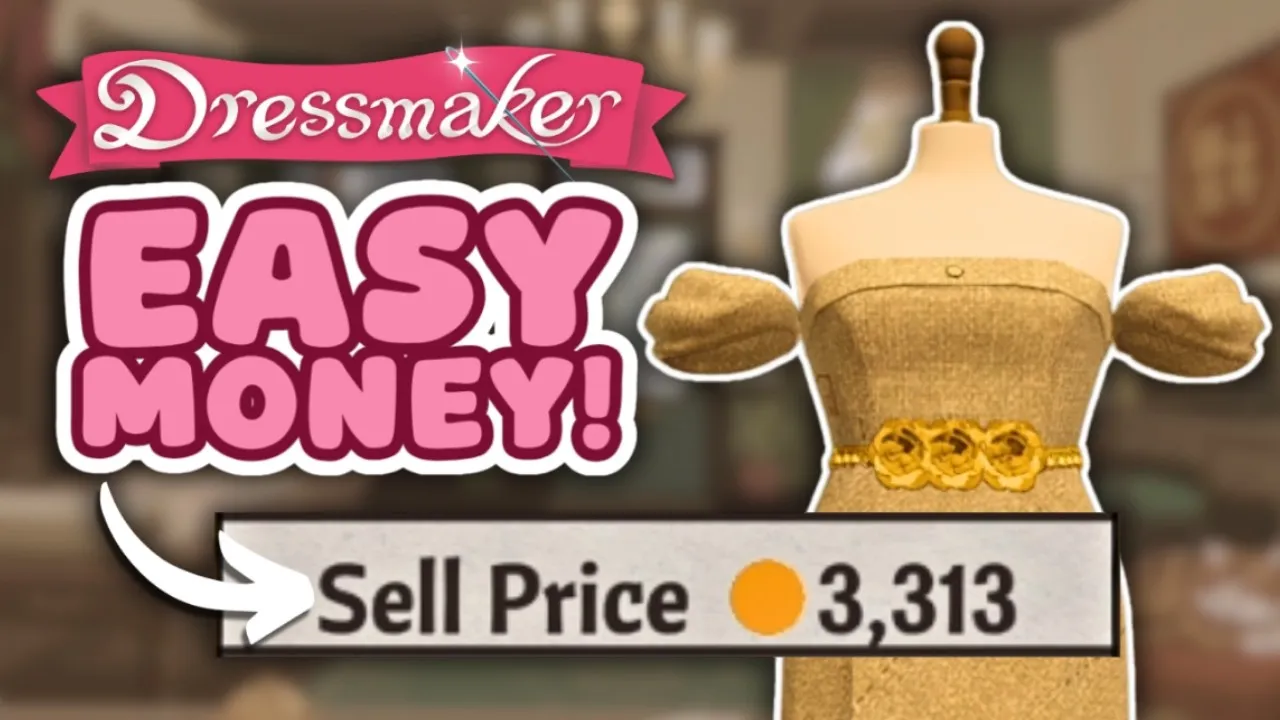
Make dresses you do not owe anyone and sell them. Burlap is free, so a plain burlap dress costs you nothing but time. Once you have gold to spare, a burlap dress covered in expensive brooches can sell for more than it cost; check the sale price before you confirm.
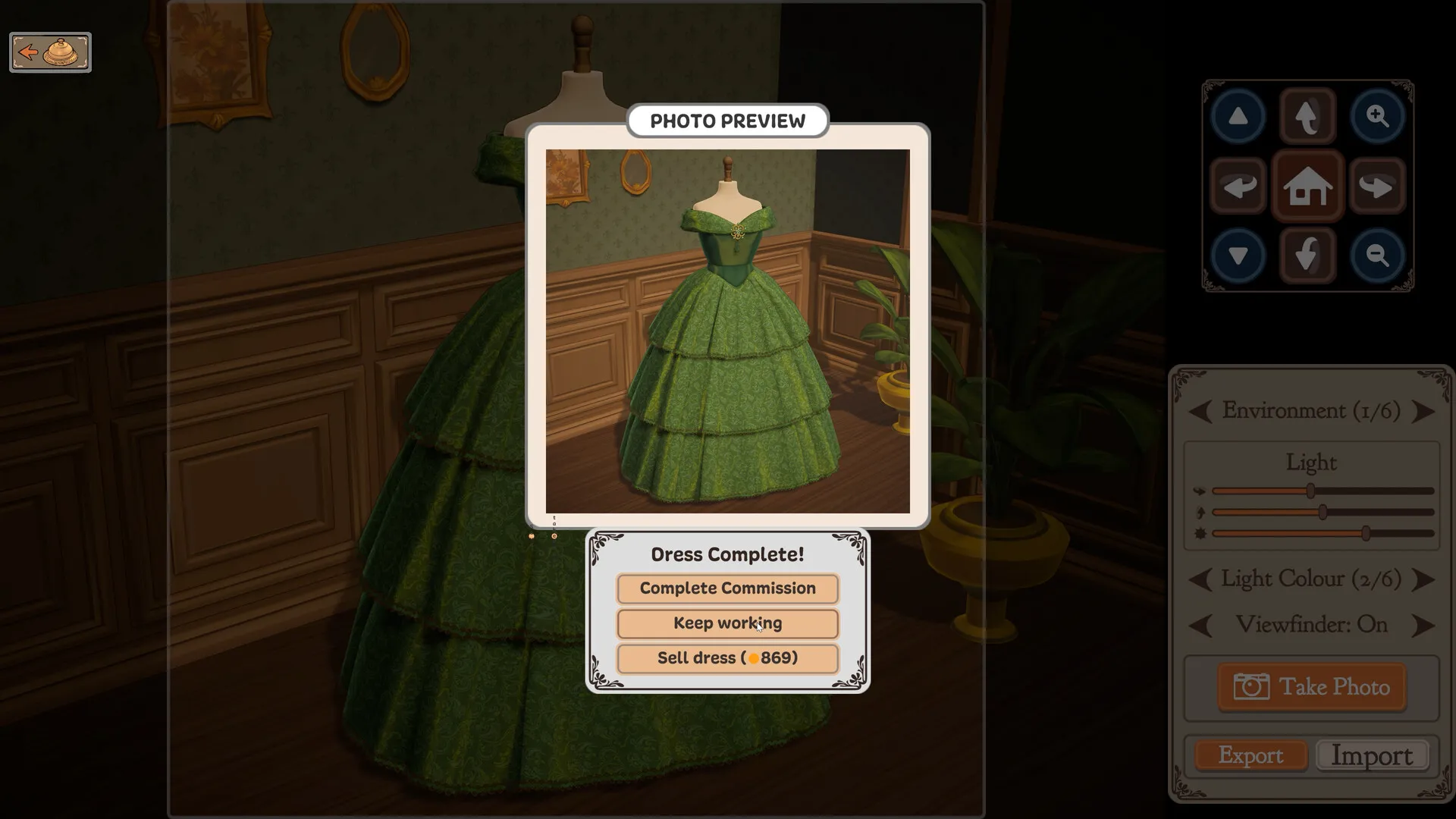
Not sure how much the dress cost? Find the Materials line before confirming a sale, and keep discarded test fabrics separate from the finished dress value.
Ways to refill your wallet
- Sell burlap dresses Needs: time only. Buy burlap at no cost, keep the design basic so it sews quickly, and pick Sell dress on the finished box.
- Turn leftover fabric into dresses Needs: fabric you already bought. Metres left over from a commission, or bought in the wrong colour, still make a dress you can sell. One quick option is a Corset Bodice with a Pencil Skirt, which fits on 1 m of fabric.
- Sell a dress instead of handing it in Needs: a finished dress. Any finished dress can be sold from the same box that completes a commission, including one you made for a card. You do not have to fulfil a commission straight away, but a card whose dress you sold stays open until you make another one for it, and the first tutorial dress must be handed in, not sold: see commission disappeared.
- The brooch dress Needs: a lot of gold up front, and it is a gamble with your savings. Cover a burlap dress in the most expensive brooches of one type, then check what Sell dress offers before you accept.
How the brooch dress works
Make the simplest burlap dress you can, then spend your gold on the dearest brooch in one style and place them all over it. Hold Shift to place several in a row instead of one per click (more placement keys are on accessories). Press Sell dress and look at the price before you confirm: you can still back out. If it pays more than the brooches cost, sell, buy more brooches with the takings and go again; if not, keep the gold for fabric.
Why it works: a dress sells for what went into it, scaled by Quality and your shop rank.
- What went into it is the fabric and accessories at shop price, plus 1 gold of labour for every seam and every accessory.
- Quality multiplies that by 0.5 at Quality 0 up to 1.5 at Quality 100. For selling, Quality is the no-client score, cutting and sewing only, so measurements do not matter.
- Shop rank adds 1% per rank: rank 30 multiplies the price by 1.3.
So a Quality 100 dress at rank 30 sells for about 1.95 times its cost. The labour is multiplied too, so each brooch you add brings in about (its price + 1) × the Quality multiplier × the rank multiplier, rounded with the rest of the price: at Quality 100 and rank 30, a 40-gold brooch adds about 80. A sloppy dress can sell for less than it cost: at a low rank, a dress well under Quality 50 loses money. Sew the burlap base cleanly before you decorate it.
Be clear about the cost. The big versions are expensive: a dress with about 1,000 brooches on it cost 42,000 to decorate. Do it when you have gold you will not need for the next card, never with the money for a commission’s fabric.
The same dress can count toward the rarest achievements too: see 300 accessories, 50m of trim, 5,000 gold.
Why your wallet is smaller than the budget
The budget printed on a card is what the client is meant to pay when they accept the dress. It is not handed over when you take the job. So early on it is normal to open a 500 card with less than 500 in your wallet, and nothing has gone missing. Buy fabric with what you actually have, and if it is not enough, sell a burlap dress or two first. Budgets for every card are in the commission finder.
On delivery you get the card’s full budget whether the dress passes or fails. A failed dress still adds a quarter of a friendship star and a little prestige; a passed one adds a full star and more prestige. If a delivered dress pays nothing at all, report the card on the Steam discussion board.
Spend lightly early
Silk and velvet can be expensive even when a cheaper fabric carries the tag you need. Compare three fabric swaps and find cheaper options at your shop rank. The comparison shows which other scores fall and when a material or colour rule blocks the swap.
The first few cards are where money runs out. Start with cheaper fabrics, buy only the metres the pattern asks for, and go easy on accessories until you have some savings. In the shop, the quantity slider keeps the last amount you bought instead of going back to 1, so set it to 1 before you confirm or you may pay for ten of something. Money gets easier as the game goes on, especially once you sell dresses on the side.
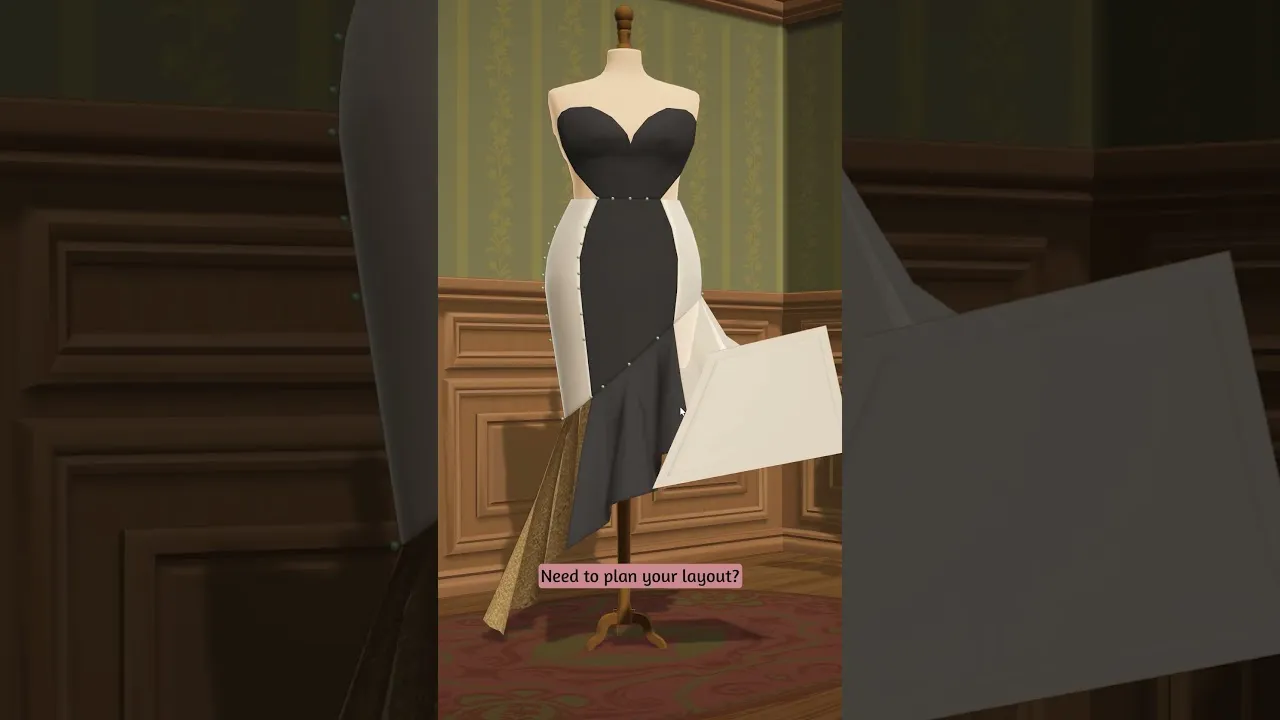
The studio’s own tip for tight budgets: cut the dress in free burlap first as a mock-up, to see where the pieces sit and how the layout looks, before you pay for the real fabric.
An easy way to run out early is fabric bought in the wrong colour for a card, so read the card’s tags before you shop, and check a finished dress against its numbers in the dress check before you hand it in. More on selling, gifting and when off-the-rack dresses open up is on off the rack, selling and gifts.
Calculate the sell price and profit before adding more accessories.
Compare shop ranks and their unlocks as you work toward the next rank.
Estimate the fabric and accessory cost while planning a dress.
Repair one panel or top up lace instead of replacing the entire dress.